Key Blockchain Security and Compliance Terms
The crypto world offers exciting opportunities, but it also comes with risks that traders and investors need to understand. From managing your keys to avoiding common attacks, learning these foundational terms will help you navigate safely.
Key Management
Key management is the practice of safeguarding your private keys, which are the digital keys that allow you to access and control your crypto assets. Losing or exposing your keys can lead to the permanent loss of funds.
Best practices include:
- Hardware Wallets – Physical devices that store private keys offline.
- Cold Storage – Keeping keys in an offline environment, reducing hacking risk.
- Multisig Solutions – Requiring multiple private keys to approve transactions.
Proper key management is the first line of defense in crypto security.
Cold Wallet / Hot Wallet
Crypto wallets are divided into cold and hot categories, each with different trade-offs:
a. Cold Wallets (offline
- Safer because they are not connected to the internet.- Includes hardware wallets or paper wallets.
- Ideal for long-term storage of large amounts.
b. Hot Wallets (online)
- More convenient for frequent transactions.
- Includes exchange wallets or mobile/web wallets.
- More exposed to hacking and phishing risks.
A common best practice is to keep most assets in cold storage and only small, active balances in hot wallets.
Multisig (Multi-Signature)
Multisig involves requiring multiple private keys to authorize a single blockchain transaction.
- Protects against a single compromised key.
- Common in DeFi protocols, DAOs, and institutional custody.
- Example: 2-of-3 multisig, where any 2 out of 3 keys must sign to move funds.
Multisig enhances security and decentralization by distributing control across multiple parties.
Reentrancy Attack
A reentrancy attack is a common smart contract vulnerability where a malicious contract repeatedly calls another contract before its state updates finalize, often draining funds.
- Famous example: The 2016 DAO hack on Ethereum.
- Developers use reentrancy guards and proper state handling to prevent it.
- Highlights the importance of smart contract audits and secure coding practices.
Rug Pull
A rug pull happens when developers drain liquidity or abandon a project, leaving users with worthless tokens.
a. Common in unverified DeFi projects or meme coins.
b. Red flags include:
- No audit
- Anonymous team
- Liquidity not locked
Always research a project before investing (DYOR).
Audit
A smart contract audit is a third-party review of blockchain code for vulnerabilities.
- Increases confidence in a project’s security.
- Detects issues like reentrancy, integer overflow, and faulty logic.
- Important: An audit reduces risk but doesn’t guarantee safety.
Top DeFi projects often undergo multiple audits to build user trust.
Compliance
Compliance ensures that crypto activities meet legal and regulatory requirements, which vary by region.
Key aspects include:
- KYC/AML – Verifying user identity and preventing illicit activity.
- Tax Reporting – Ensuring crypto gains are properly declared.
- Data Protection – Following local privacy laws for user information.
Platforms like CoinByte adhere to compliance frameworks to protect users and maintain regulatory confidence.
Disclaimer
This article is for informational purposes only and does not constitute financial, legal, or investment advice. Cryptocurrencies are subject to market risk and volatility. Please consult a qualified advisor before making any investment decisions.
© 2025 CoinByte. Some content in this article may have been adapted or generated with the assistance of AI tools.
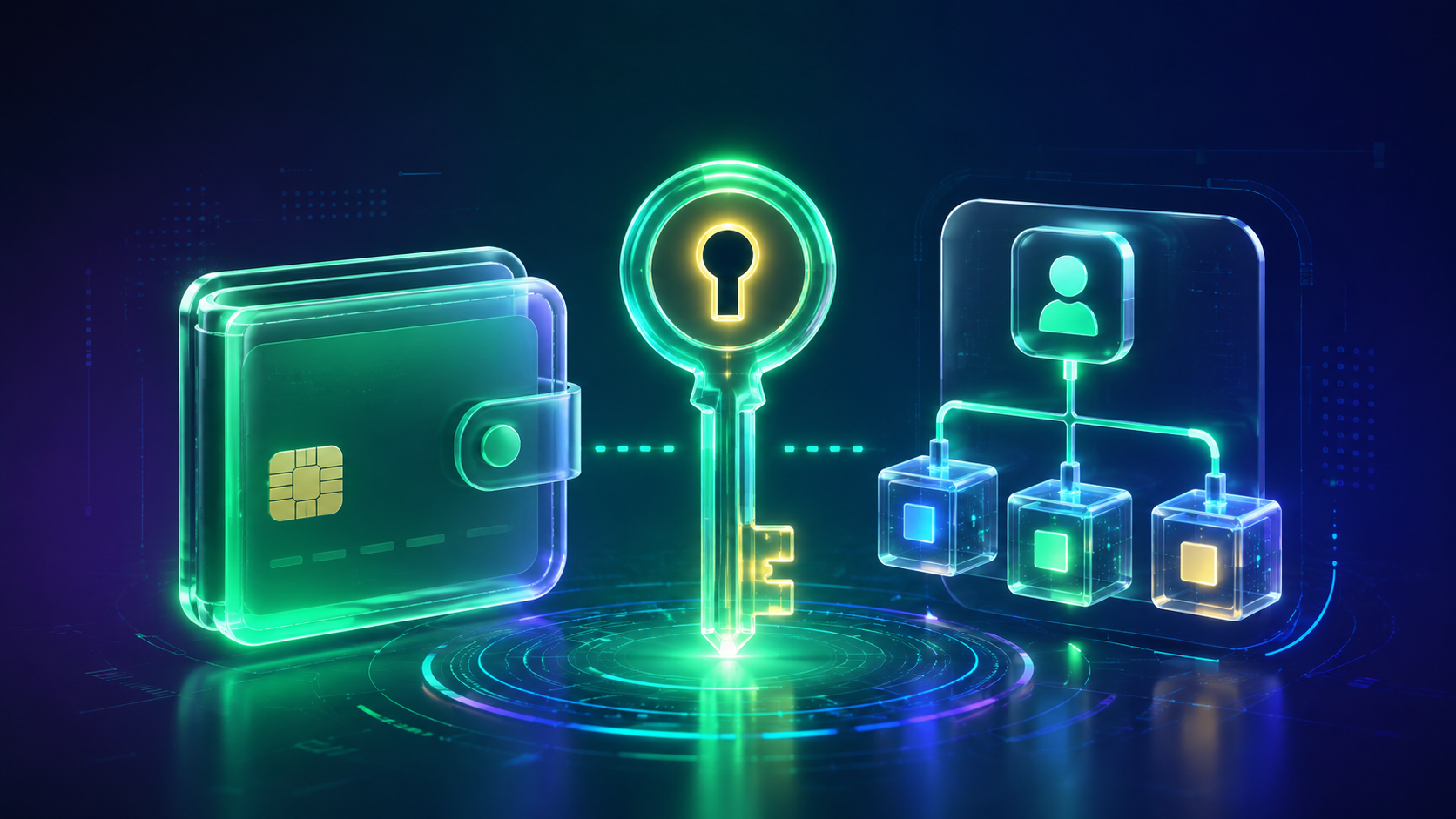 Blockchain GlossaryWallets, Keys & Account ModelsSecure Access and Advanced Account CapabilitiesIn the decentralized world of crypto, your wallet and key management practices directly determine your security and flexibility. Understanding how different wallet models, account types, and advanced features work is crucial to balancing convenience, sa
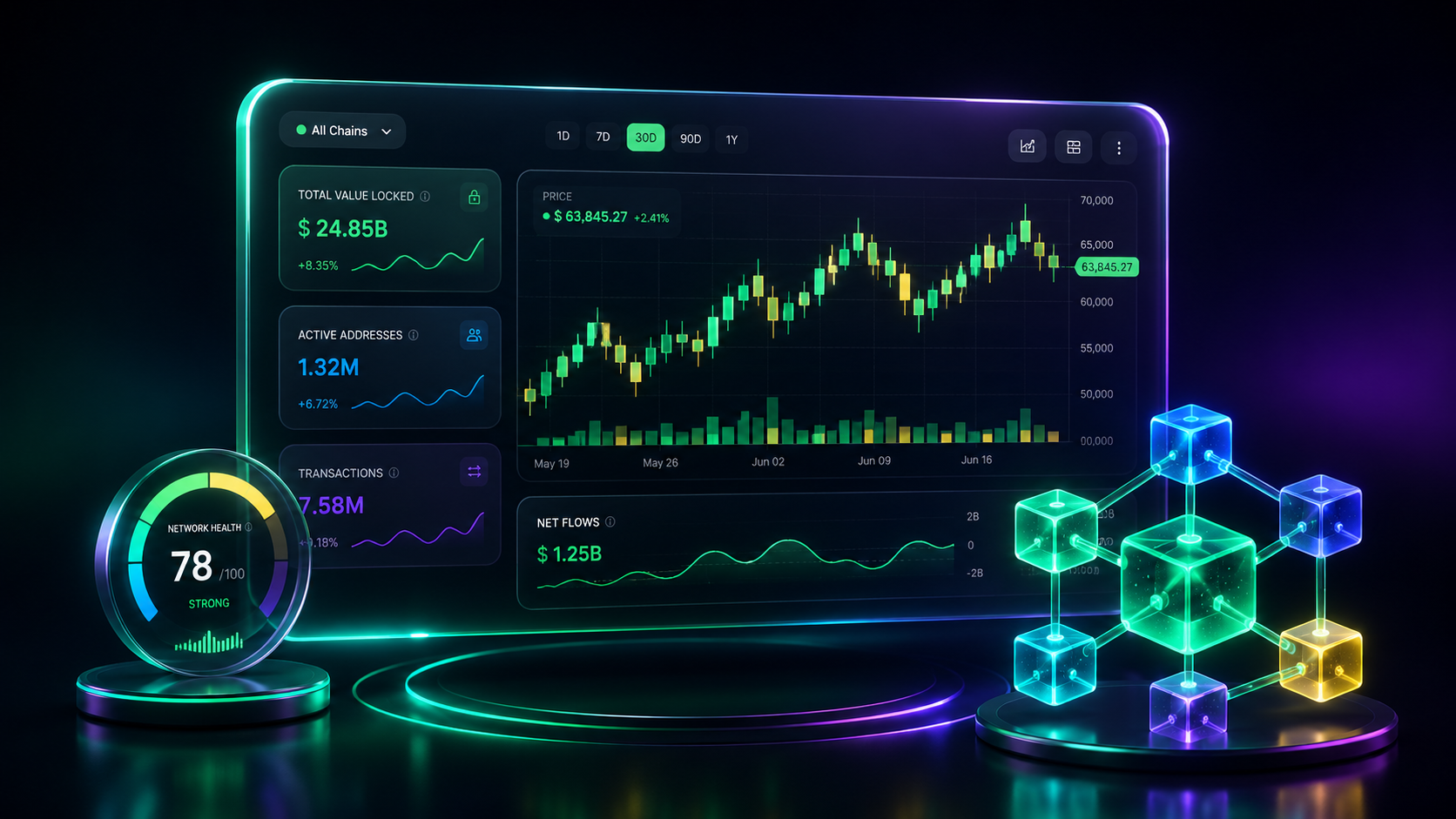 Blockchain GlossaryData, Metrics & On-chain AnalysisKey Indicators to Gauge Market Health and SentimentUnderstanding crypto market health goes beyond just looking at price. Traders and investors can analyze key indicators to evaluate network activity, liquidity conditions, and overall market sentiment. These metrics empower traders to identify trends
 Blockchain GlossaryDecentralized Finance and NFTs1. DeFiTVL (Total Value Locked) The USD value of assets locked in a protocol or blockchain. Indicates activity and scale. StakingLocking tokens to secure a network or protocol and earn rewards/interest. Lending/Borrowing ProtocolUsers deposit assets to earn interest or collateralize to borrow other tok